Professional Fabric Pest Eradication & Wardrobe Protection, Since Feb 2006
Need a free estimate? Call us or send a request.
Mobile: 027 490 8309 | Email: breatheeasyservices@icloud.com
Trusted Local Feedback
“Karl was super responsive and got the job done promptly. Great service, very competitive price, and it’s worked a treat — no more white tails in the house, dead or alive! Highly recommend, thanks Karl.
— Tania Brackenridge, Papamoa Beach“We’d never called in for help with spiders before, but Karl at Tauranga Pest Control made it simple from start to finish. Better yet, the unwanted feature-walls of spiders are now a thing of the past!
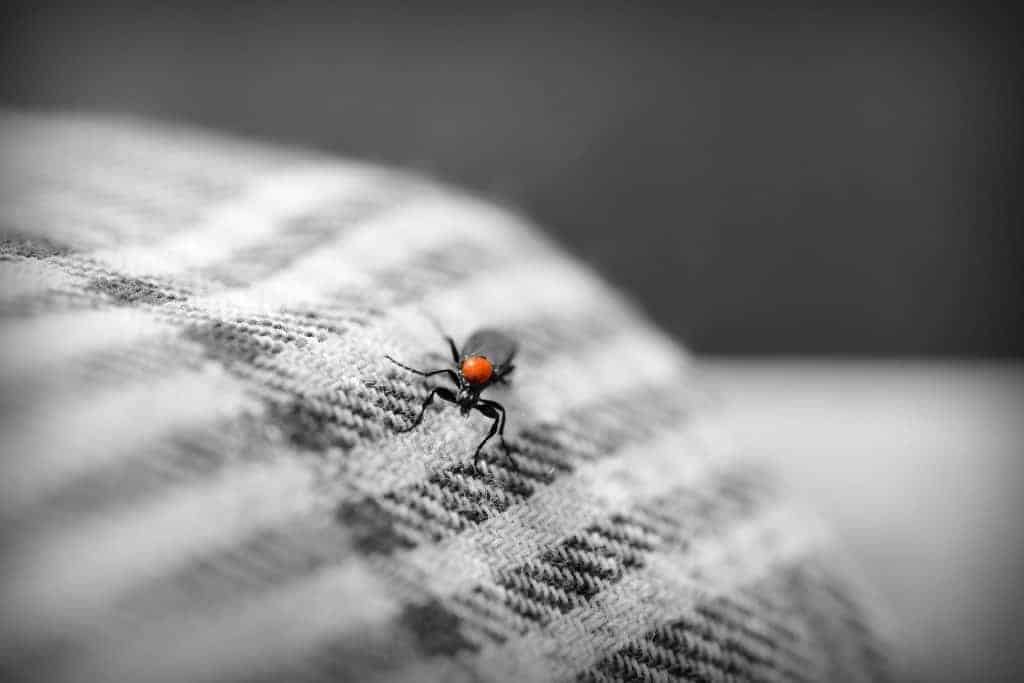
— Marie R, TaurikoOpening your wardrobe only to find your favourite woollen jersey or expensive suit riddled with tiny, mysterious holes is incredibly disheartening. Unlike pests that raid your kitchen pantry, fabric pests secretly attack your personal belongings, destroying fabrics, carpets, and upholstered furniture.
If you have noticed signs of insect damage in your closets, you want to know: How can you stop these bugs and save your wardrobe?
While washing your clothes removes the immediate debris, completely halting an active infestation requires eliminating hidden larvae and creating a long-term protective barrier.
Here is how our local Tauranga team helps you identify the culprits and secure your garments from destructive bugs.
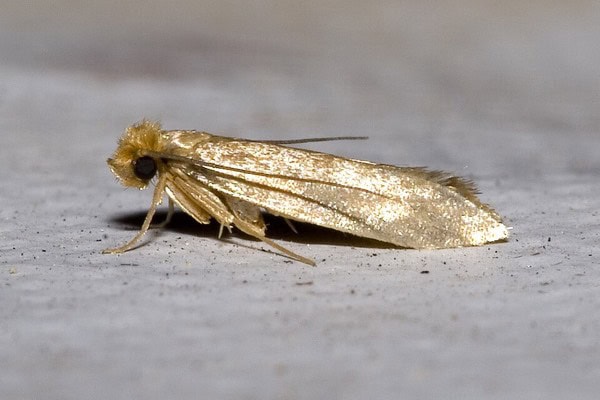

🐛 The 2 Main Fabric Pests in New Zealand
Most wardrobe damage is caused by two distinct insects that thrive in dark, undisturbed storage spaces across the Bay of Plenty:
- Case-Bearing Clothes Moths: It is not the adult moths that eat your clothes, but their tiny, caterpillar-like larvae. They construct a small, silky protective case around themselves and chew jagged holes through natural fibres.
- Carpet Beetles: The larvae of these tiny beetles (often called “woolly bears”) are covered in prickly hairs. They are voracious eaters that target wool, silk, leather, feathers, and natural furs.
🛠️ The 3-Step Strategy to Safeguard Your Wardrobe
Wiping out fabric bugs requires a thorough combination of deep cleaning and professional environmental treatment to intercept their breeding cycles.
1. The High-Heat Sanitation Routine
Fabric pest larvae cannot survive extreme temperature changes. To clear existing garments:
- Wash & Dry: Launder all affected clothes on a hot cycle (above 50°C) or run them through a hot clothes dryer for at least 20 to 30 minutes.
- Dry Cleaning: For delicate woollens and silks that cannot be washed, professional dry cleaning effectively eradicates all hidden insect eggs and larvae.
2. Complete Wardrobe Vacuuming
Empty your entire wardrobe and vacuum every single corner, shelf, and floor boundary. Pay special attention to dark crevices, skirting board tracks, and floor rug perimeters where lint and hair accumulate, as these serve as prime breeding grounds.
3. Professional Residual Barrier Treatment
Vacuuming alone cannot reach deep wall cavities or subfloor gaps. We apply a targeted, low-odour residual treatment to the internal perimeters of closets, empty drawers, and baseboards to instantly eliminate any wandering larvae trying to re-infest your storage space.
📋 Natural Prevention vs. Chemical Eradication
| Protection Method | Effectiveness Status | Best Used For |
|---|---|---|
| Cedarwood & Lavender Bags | Preventive Only | Repelling adult moths from flying into clean, uninfested wardrobes. They will not kill existing larvae. |
| Pheromone Sticky Traps | Monitoring Only | Trapping adult male moths to help you identify if you have an active breeding problem. |
| Professional Residual Insecticides | Total Eradication | Actively destroying carpet beetle and moth larvae populations directly on contact. |
🏡 Eradicate Fabric Pests Safely
Don’t wait for destructive larvae to ruin your expensive clothing collections or heirloom fabrics. Our certified technicians hold the New Zealand Certificate in Pest Operations (Level 3), using targeted, family-safe applications tailored for delicate residential interiors. Our vehicles are clean and unbranded too, so protecting your fabrics and belongings stays discreet.
Want to try it yourself first? Read our guide to getting rid of carpet beetles and clothes moths.
📞 Ready to Protect Your Belongings?
- Call us: Phone 075700309 Mobile 0274908309
- Request an Estimate: Fill out our quick [Online Contact form] and our local team will respond with accurate pricing as soon as we can.
Ready when you are. Call us or send an email.