Identifying & Eradicating Hidden Cockroach Egg Pods
Need a free estimate? Call us or send a request.
Mobile: 027 490 8309 | Email: breatheeasyservices@icloud.com
Trusted Local Feedback
“Karl was super responsive and got the job done promptly. Great service, very competitive price, and it’s worked a treat — no more white tails in the house, dead or alive! Highly recommend, thanks Karl.
— Tania Brackenridge, Papamoa Beach“We’d never called in for help with spiders before, but Karl at Tauranga Pest Control made it simple from start to finish. Better yet, the unwanted feature-walls of spiders are now a thing of the past!
— Marie R, TaurikoNo matter where you live in New Zealand, cockroaches are an unfortunate and highly unhygienic fact of life. These pests are expert hitchhikers, lurking in dark corners, multiplying rapidly, and contaminating food preparation areas with nasty diseases.
To halt an active infestation before it balloons out of control, you need to know a critical piece of information: Where are they hiding their eggs?
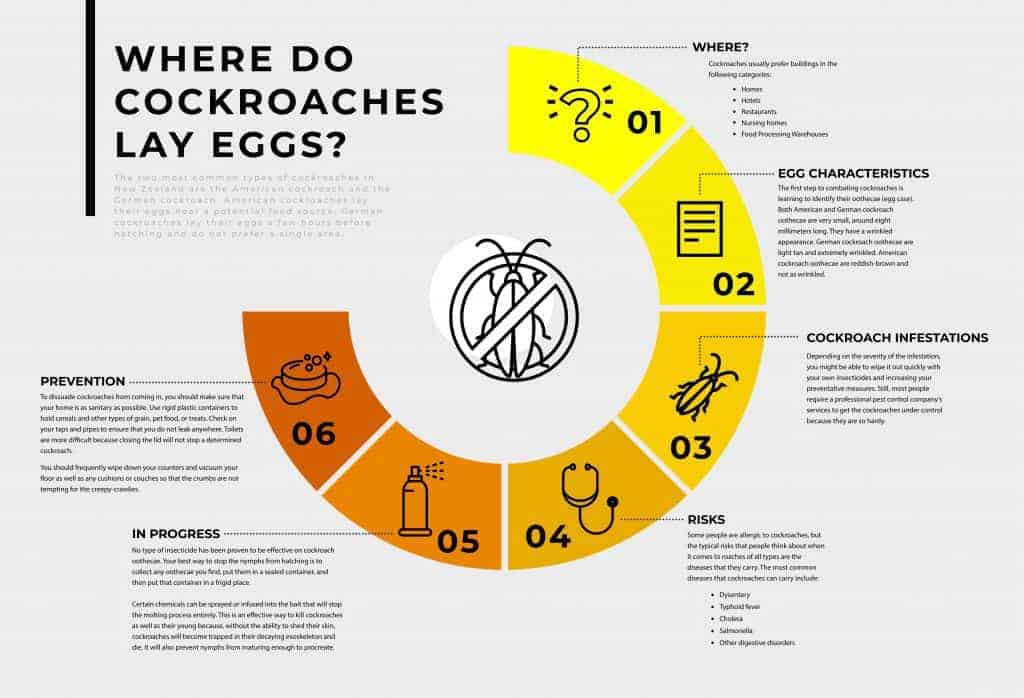
The short answer is that cockroaches do not lay single, soft eggs. Instead, they produce a tough, leathery protective pod called an ootheca, which can house up to 40 eggs at a time. Because this rigid casing acts as an armour shielding the embryos from basic supermarket sprays, locating their primary breeding zones is the only way to achieve total eradication.
Here is exactly where various cockroach species lay their eggs in Tauranga homes and how to disrupt their breeding cycle.
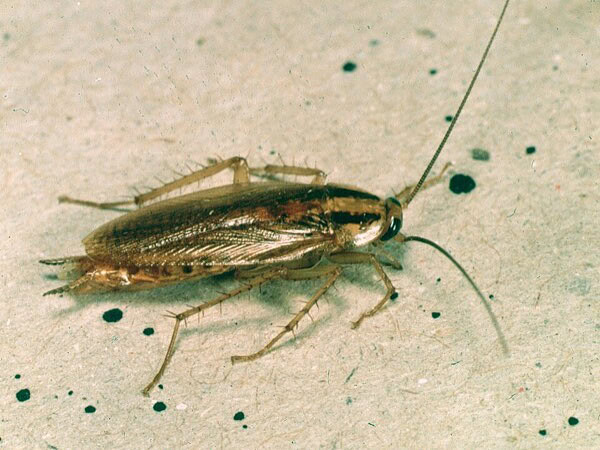
🪳 Breeding Habits: American vs. German Cockroaches
The two most common invasive cockroaches in the Bay of Plenty have completely different reproductive strategies, which changes exactly where you must look to find them.
| Reproductive Factor | American Cockroach (Periplaneta americana) | German Cockroach (Blattella germanica) |
|---|---|---|
| Egg Pod Location | Glued high up on cupboards, ceilings, or roofs. | Carried by the female, dropped near the ground. |
| Incubation Period | Hatching takes 6 to 8 weeks. | Hatching occurs within 24 hours of dropping. |
| Offspring Per Pod | Contains approximately 15 to 20 eggs. | Contains a massive 30 to 48 eggs. |
| Primary Diet Trait | Feasts on food, hair, leather, and starch. | Adapting to strictly avoid sugary retail baits. |
🛠️ The Common Hidden Hotspots for Egg Pods
Cockroaches are highly sensitive to cold New Zealand winter temperatures. They actively breach structural foundations to seek out dark, humid, and warm areas near food and water sources.
1. In High Kitchen Cupboards & Appliance Motors
Because American cockroaches are capable of short flights and agile climbing, they hide their egg pods high up. They use their sticky saliva to glue the pods to the tops of refrigerators, inside dark pantry framing, and deep within warm internal appliance motors where they remain undisturbed.
2. In Low Cracks, Crevices & Baseboards
German cockroaches are incapable of true flight and prefer tight, compressed spaces close to moisture. You will typically find their egg pods hidden under sinks, behind dishwashers, around hot water cylinders, and inside low skirting board expansion gaps.
3. Around Alternative Food Sources
When kitchen food is sealed away tightly, cockroaches turn to alternative starches and proteins. It is common to find breeding zones centerd around stored cardboard boxes, book bindings, household bars of soap, glue backings, and toothpaste tubes.
⚠️ The Vacuuming Warning: Why DIY Extraction Fails
Many Tauranga homeowners make the mistake of using a standard home vacuum cleaner to suck up visible cockroach egg pods.
Because the ootheca is remarkably resilient, the mechanical suction of a vacuum does not kill the nymphs inside. If left inside a standard vacuum dust bag, the eggs will simply hatch inside the machine over the coming weeks, allowing dozens of tiny nymphs to crawl right back out of the hose and re-infest your cupboards.
🏡 Stop the Breeding Cycle Today
If you have spotted an adult cockroach carrying an egg pod, time is running out before hundreds of new nymphs hatch and scatter into your walls. Our certified technicians hold the New Zealand Certificate in Pest Operations (Level 3), utilizing advanced insect growth regulators (IGRs). This specialized treatment targets their biology, safely disrupting the molting process so young nymphs can never grow into breeding adults. We also arrive in unmarked, professional vehicles, keeping your cockroach treatment completely discreet.
📞 Ready to Halt the Infestation?
- Call us: Phone 075700309 Mobile 0274908309
- Request an Estimate: Fill out our quick [Online Contact Form] and our local team will respond with accurate pricing as soon as we can.
Ready when you are. Call us or send an email.