What’s My Pest? Free DIY Advice From a Local Technician
Tap the picture that looks like your pest. You will get what to look for, what you can safely do yourself, and an honest answer on when it is time to call us. Plenty of small problems can be fixed without a technician.
Crawling insects
Biting pests
Flying and stinging
Clothes, carpet and pantry
Animals and birds
Ants
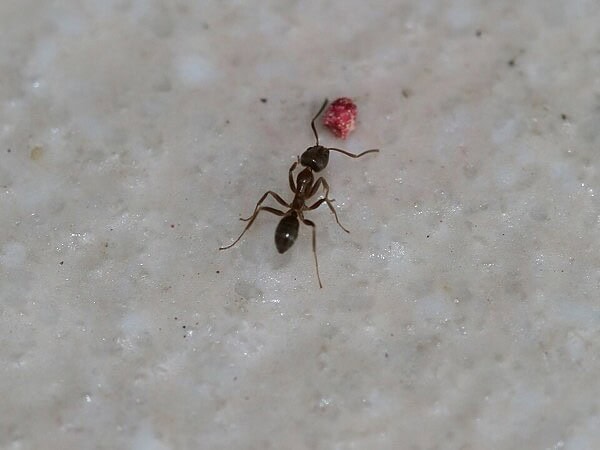
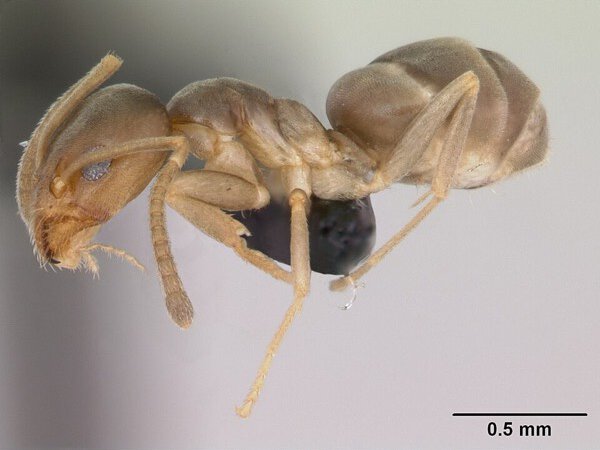
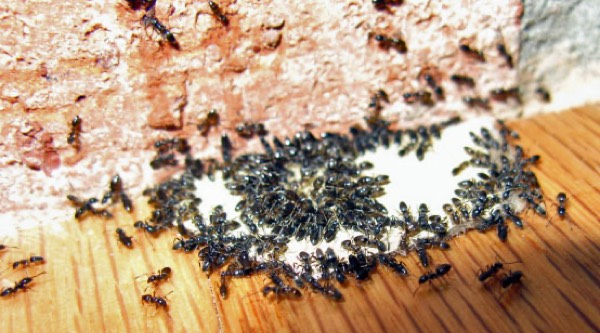
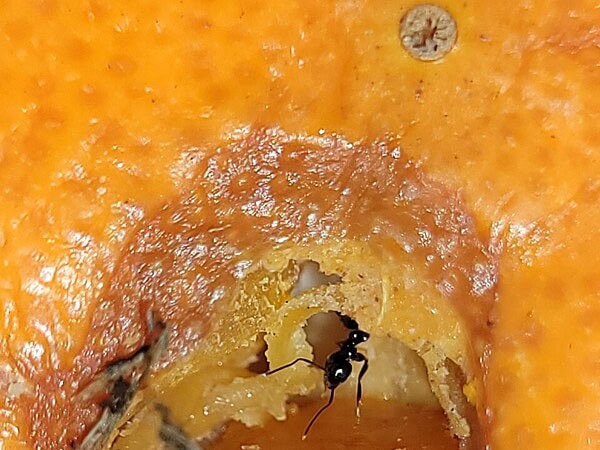
Which one is it?
What you will see
- Lines of small ants running along benches, skirting boards, window sills or paths.
- Ants heading for anything sweet, greasy or the pet bowl.
- Small piles of fine soil or sand along paving, driveways and foundations.
Try this first
- Wipe the trail with warm soapy water. It removes the scent trail the others follow.
- Keep sugar, honey, pet food and the rubbish bin sealed, and wipe benches at night.
- Put ant bait on the trail and leave it alone for one to two weeks. The ants need to carry it back to the nest.
- Do not spray fly spray on the trail. It kills the ants you can see and can split the nest into several new ones.
- Trim plants and branches that touch the house.
Call us when
- The ants are back after two weeks of baiting.
- They are in several rooms, or coming out of walls, power points or the ceiling.
- There are trails all around the outside of the house. That usually means several nests working together.
Spiders
Which one is it?
What you will see
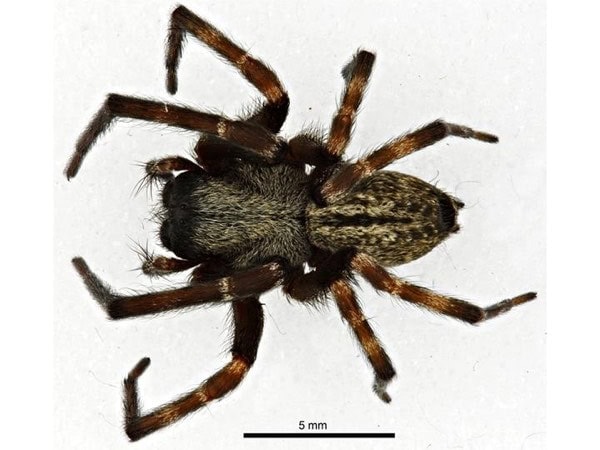
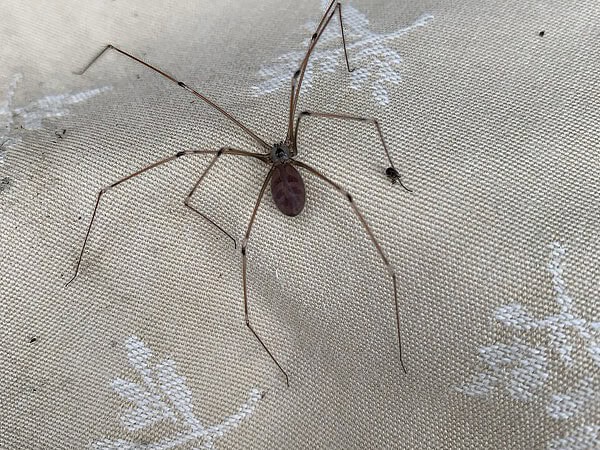
- Webs building up under eaves, around windows, outdoor lights and the letterbox.
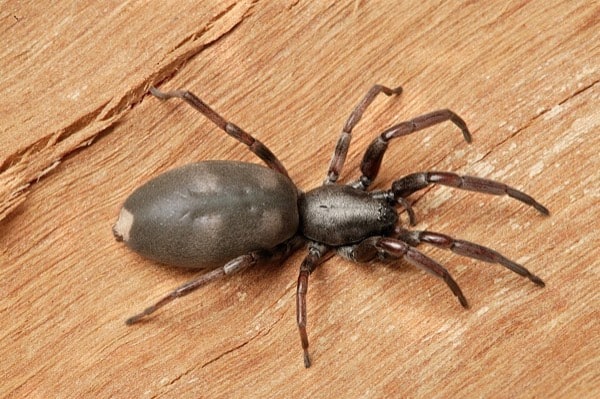
- White-tail spiders: dark and slim with a pale tip on the tail, often in bedding, clothing left on the floor, or towels.
- Fly spots and web mess on the outside walls.
Try this first
- Brush or vacuum webs and egg sacs off the house, then empty the vacuum outside.
- Turn outside lights off when you do not need them. Lights bring insects, and insects bring spiders.
- Keep clothes and towels off the floor and shake out shoes before putting them on.
- Seal gaps around doors, windows and pipes.
- Move firewood and stored items away from the house walls.
Call us when
- You keep finding white-tails inside.
- The webs are back within a few weeks of cleaning them off.
- You want the outside of the house treated so it stays clean.
Cockroaches
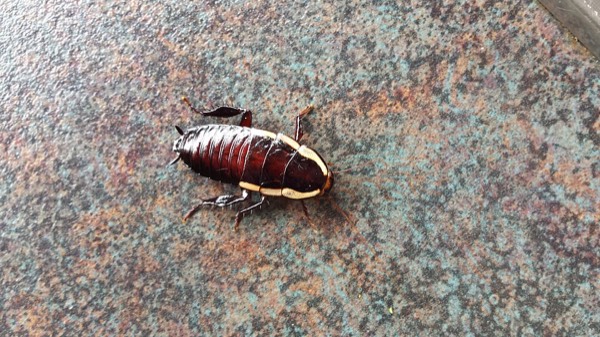
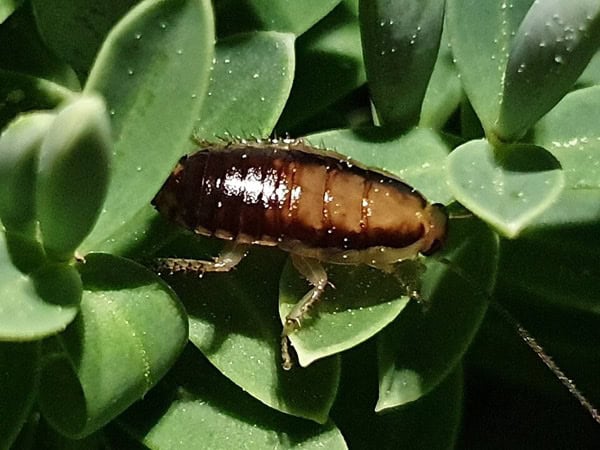
Which one is it?
What you will see
- Large, dark cockroaches that turn up one at a time, often near firewood or the garden. These live outdoors, wander in by accident and do not breed in the house.
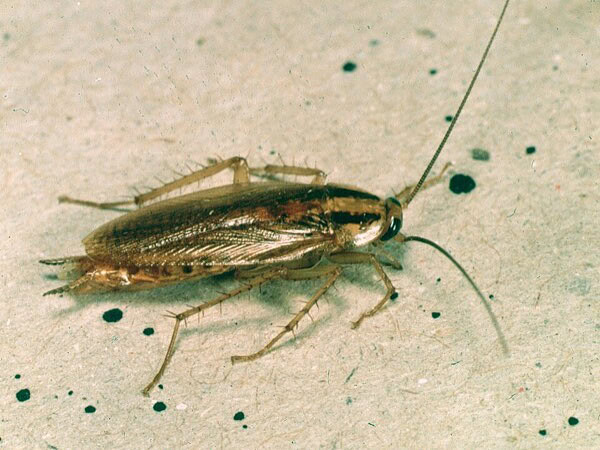
- Small, light brown cockroaches with two dark stripes behind the head, in the kitchen or bathroom. These are German cockroaches. They breed indoors and fast.
- Pepper-like specks in cupboards and around the fridge, oven or dishwasher.
Try this first
- For the big outdoor ones: put them back outside, seal gaps under doors, and keep firewood away from the house.
- Clean up grease and crumbs behind and under the oven, fridge and toaster.
- Fix dripping taps and leaks. Cockroaches need water.
- Keep food sealed and do not leave dishes or pet food out overnight.
- Use cockroach gel bait or bait stations in the cupboards where you have seen them.
Call us when
- You are seeing the small striped ones. A few in the open usually means many more hidden.
- You see cockroaches in the daytime.
- It is a food business or a rental.
Silverfish
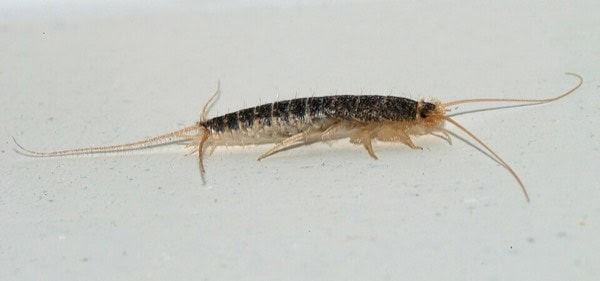
Which one is it?
What you will see
- Fast silver insects in the bathroom, wardrobe, bookshelf or hot water cupboard at night.
- Rough grazed patches on paper, wallpaper, book covers and photos.
- One stuck in the bath or basin in the morning.
Try this first
- Cut down the damp. Open windows, run the extractor fan and fix any leaks.
- Clear out cardboard boxes and old paper.
- Store books, photos and papers in plastic tubs with lids.
- Vacuum wardrobes, shelves and skirting boards.
Call us when
- You see them regularly in several rooms.
- They are coming from the roof space or wall cavities.
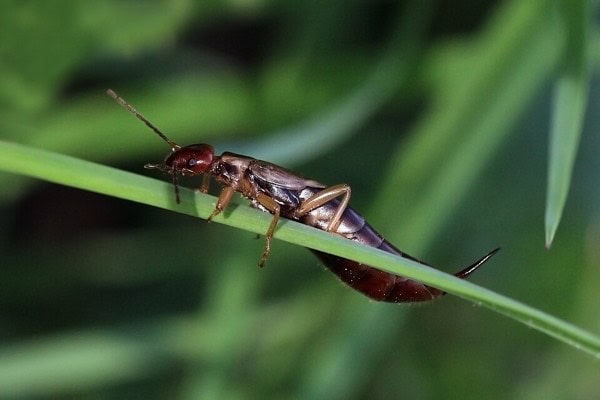
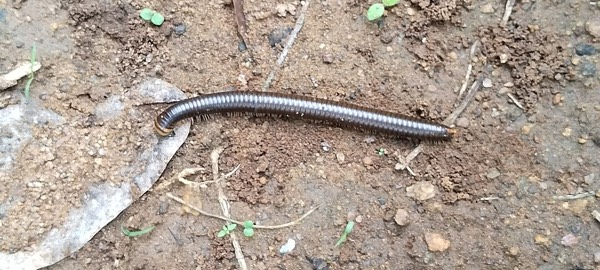
Slaters, earwigs & millipedes
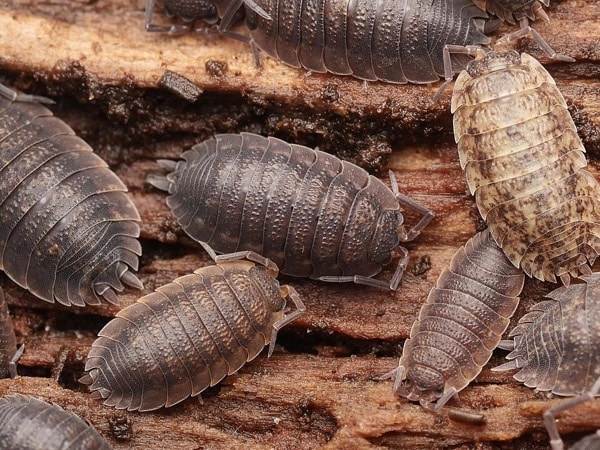
Which one is it?
What you will see
- Slaters, earwigs or millipedes wandering inside, mostly near doors and in damp rooms.
- Bigger numbers after rain and in autumn.
- They come in from the garden. They do not harm people or the house.
Try this first
- Clear leaf litter, mulch, firewood and pot plants away from the house walls.
- Fix damp spots and leaking outside taps.
- Fit brush strips to the bottom of doors and seal gaps.
- Turn off outside lights you do not need. Millipedes are drawn to light.
- Sweep or vacuum up the ones that get in.
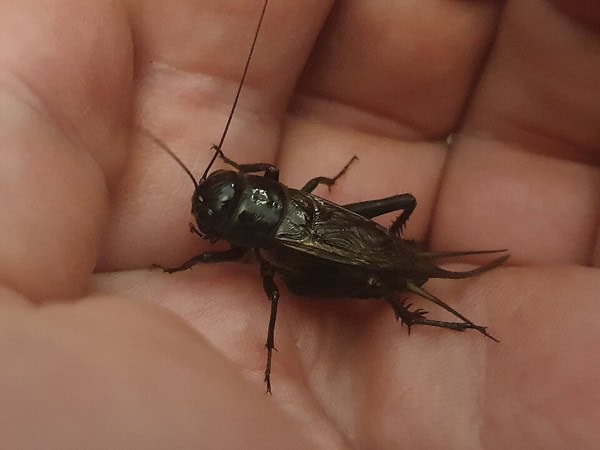
Crickets
Which one is it?
What you will see
- Loud chirping at night in late summer and autumn.
- Black crickets coming in under doors.
Try this first
- Seal the gaps under doors.
- Turn off outside lights you do not need.
- Keep the lawn short near the house.
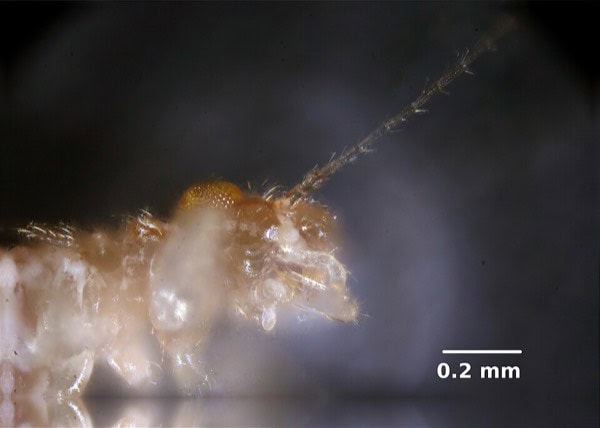
Booklice
Which one is it?
What you will see
- Tiny pale insects on walls, window sills, books or in the pantry.
- Most common in damp houses and in new houses while they dry out.
- They feed on mould. They do not bite.
Try this first
- Dry the house out. Open windows, heat the rooms and use a dehumidifier.
- Wipe away any mould.
- Throw out dry food they have got into.
- They usually disappear once the house is dry.
Fleas
Which one is it?
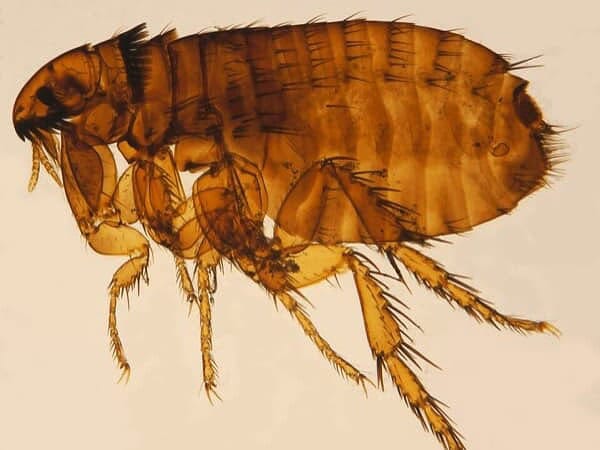
What you will see
- Itchy bites around your ankles and lower legs.
- Pets scratching, or small dark specks in their coat and bedding.
- Small dark insects jumping on carpet. Walk through in white socks and they are easy to spot.
Try this first
- Treat every pet in the house with a flea treatment from your vet.
- Vacuum carpets, rugs, couches and along skirting boards every day for two weeks. Empty the vacuum outside each time.
- Wash pet bedding and throws on a hot wash.
Call us when
- You are still being bitten after two weeks.
- The house has been empty. Fleas hatch when people move back in.
- You need an end-of-tenancy flea treatment.
- You have fleas and no pets.
Bed bugs
Which one is it?
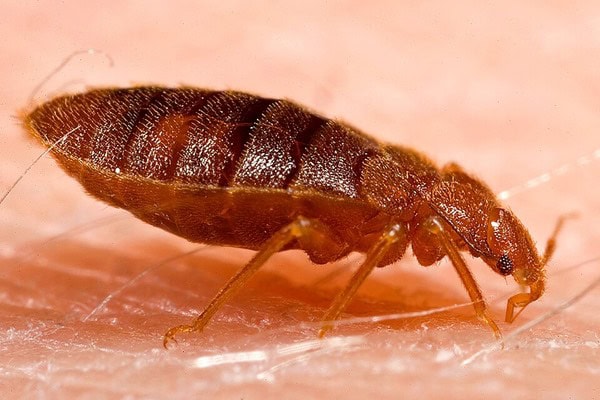
What you will see
- Itchy bites in lines or clusters, often on the arms, neck and shoulders, that show up after sleeping.
- Small dark spots or blood smears on sheets and along mattress seams.
- The bugs themselves in mattress seams, the bed frame, the headboard and nearby skirting boards.
Try this first
- Wash bedding and clothes on a hot wash, then tumble dry on hot for at least 30 minutes.
- Vacuum the mattress seams, bed frame and skirting boards. Empty the vacuum into a sealed bag and put it in the outside bin.
- Keep sleeping in the same bed. Moving to the couch or another room spreads them through the house.
- Do not use fly spray or bug bombs. They scatter the bugs into the walls.
- After travelling, check your luggage and wash everything on hot.
Call us when
- You have found live bed bugs. They are very hard to clear without professional treatment.
- The bites keep coming after you have washed and vacuumed.
- It is a rental, motel or other accommodation.
Mosquitoes
Which one is it?
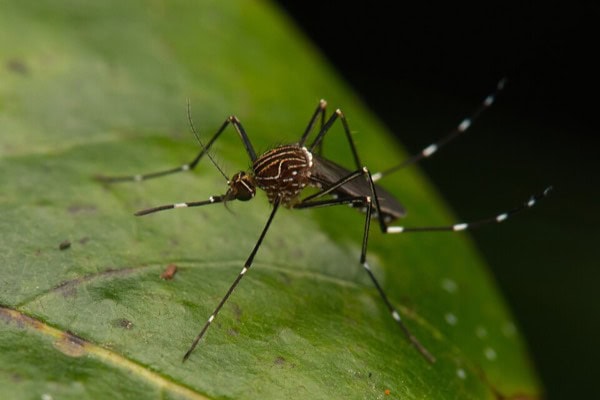
What you will see
- Bites and whining around dusk and at night.
- Wrigglers in standing water around the section.
Try this first
- Tip out standing water every week: buckets, pot saucers, tyres, tarps and toys.
- Clear blocked gutters.
- Fit fine mesh over rainwater tank inlets and overflows.
- Fit screens to the windows you leave open.
Call us when
- Numbers stay high after you have removed the standing water.
- You have thick garden or bush close to the house.
- You want the section treated before an outdoor event.
Mites
Which one is it?
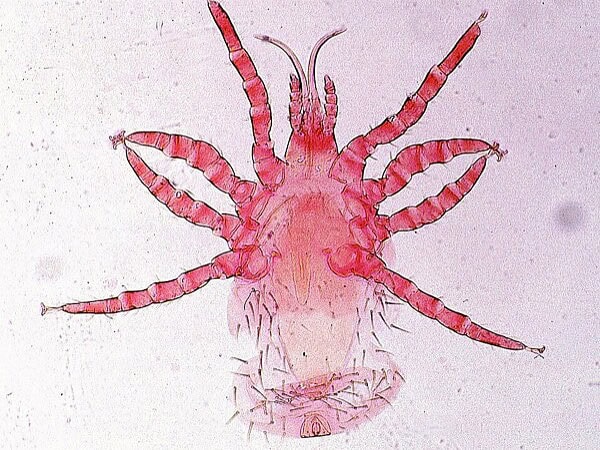
What you will see
- Tiny crawling specks on walls, window sills, bedding or skin.
- Itchy bites, mostly at night, often in spring and summer.
- Birds nesting in the roof, eaves or a nearby wall. That is where bird mites come from.
- Dust mites are different. You cannot see them and they do not bite, but they can set off allergies.
Try this first
- Find the bird nest and remove it, wearing gloves and a mask.
- Block the gap so the birds cannot come back.
- Vacuum the room well and wash bedding on hot.
Call us when
- You cannot reach the nest.
- The biting carries on after the nest is gone.
Ticks
Which one is it?
What you will see
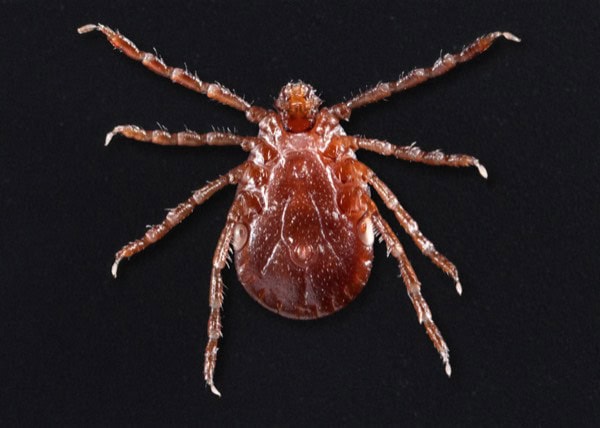
- Small brown ticks on pets or stock, and now and then on people, after time in long grass.
- Mostly on lifestyle blocks and farms.
Try this first
- Check pets, children and yourself after walking through long grass.
- Remove a tick with fine tweezers. Grip it close to the skin and pull steadily.
- Ask your vet about tick treatment for pets.
- Keep grass short around the house.
Flies
Which one is it?
What you will see
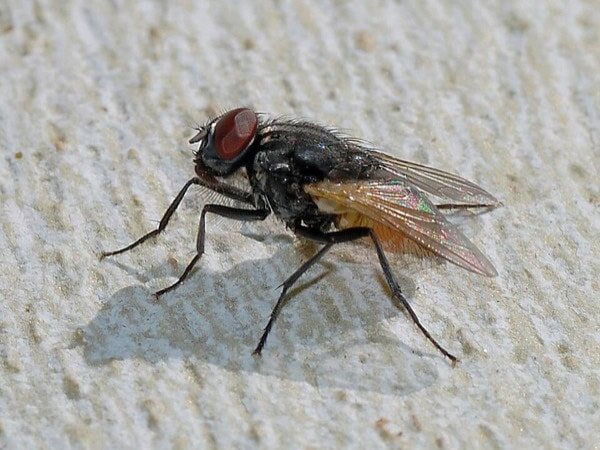
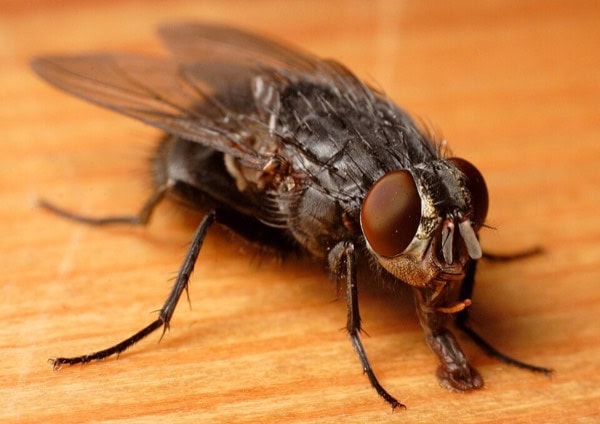
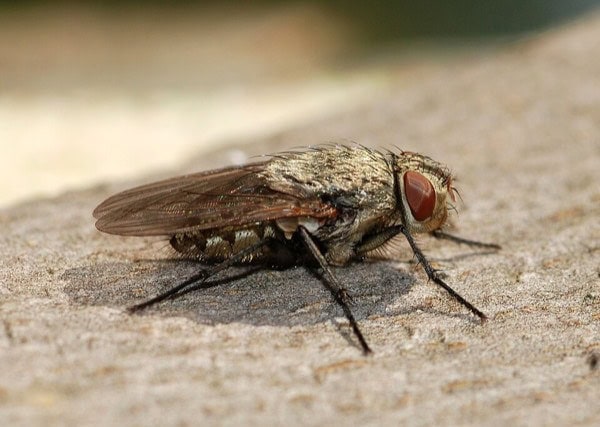
- House flies and blowflies around the kitchen, bins and pets.
- Small flies hovering over fruit, drains or pot plants.
- Large numbers of slow flies gathering at windows or in the roof space in autumn. These are cluster flies.
Try this first
- Keep bin lids shut and wash the bins out.
- Pick up pet droppings and fallen fruit.
- Fit fly screens to the windows and doors you leave open.
- For small flies, clear out old fruit, clean the drains and let pot plant soil dry out between watering.
Call us when
- Flies are swarming on the outside walls or gathering in the roof space.
- You have done the clean-up and the numbers have not dropped.
- It is a food business or a rural property near stock.
Wasps
Which one is it?
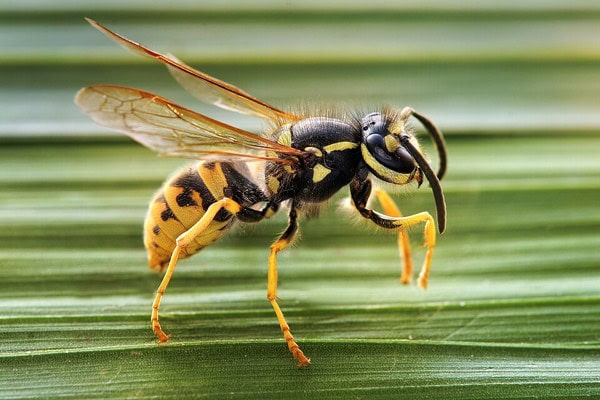
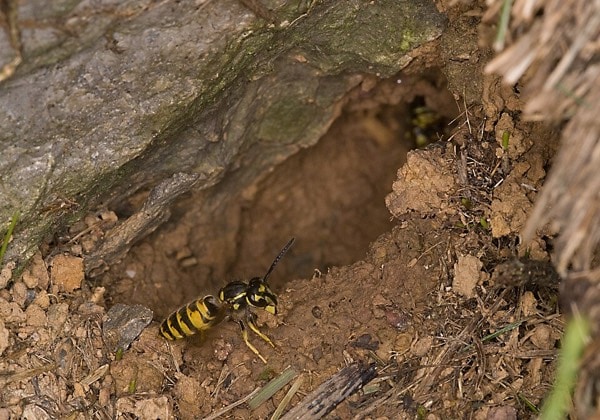
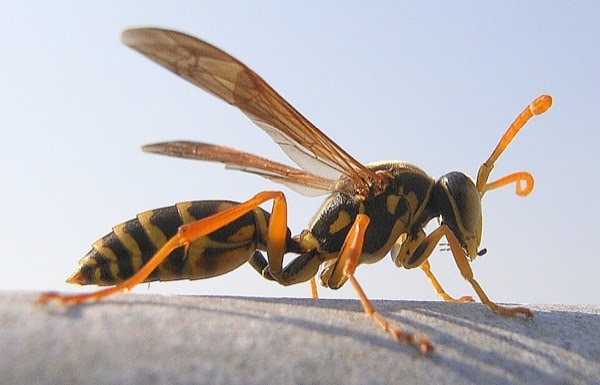
What you will see
- A steady stream of wasps flying in and out of a hole in the ground, a bank, a wall or the roof.
- A small grey papery nest hanging under eaves, on a fence or in a shrub.
- Wasps hanging around outdoor food, drinks, rubbish bins and fruit trees.
Try this first
- Keep children and pets well away and mark the spot.
- Do not block the entrance. The wasps will find another way out, sometimes into the house.
- Do not pour petrol or water into the nest.
- A small paper wasp nest you can reach easily can be sprayed with wasp spray at dusk, when the wasps are all on the nest. Follow the label and plan your way out first.
- Cover food and drinks outside and keep bin lids shut.
Call us when
- The nest is in the ground, a wall, the roof, or anywhere you cannot see all of it.
- Anyone in the house is allergic to stings.
- Wasps are coming inside the house.
- The nest is high up or bigger than a tennis ball.
Bees
Which one is it?
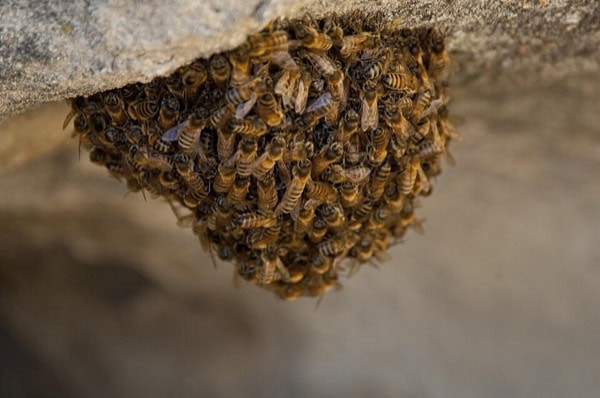
What you will see
- A cluster of bees hanging in a tree or on a fence. A swarm is resting and usually moves on within a day or two.
- Bees flying in and out of a wall, chimney or roof.
Try this first
- Leave a swarm alone and keep children and pets away.
- Call a local beekeeper or bee club. Many collect swarms for free.
- Do not spray them. Bees are valuable, and a sprayed nest in a wall leaves honey behind that rots and brings in other pests.
Call us when
- You are not sure whether they are bees or wasps.
- Bees are nesting inside a wall, chimney or roof.
Carpet beetles
Which one is it?

What you will see
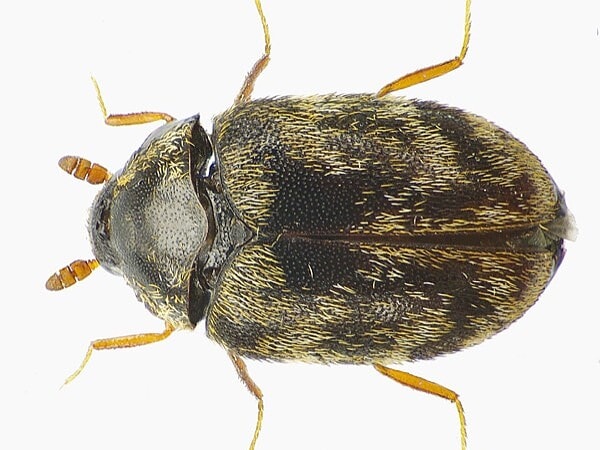
- Bare patches or holes in wool carpet, mostly along the edges and under furniture.
- Small hairy brown larvae and their empty shed skins.
- Small round beetles on window sills in spring and summer.
Try this first
- Vacuum thoroughly every week along carpet edges, under furniture and inside wardrobes.
- Wash or dry clean woollen clothes and blankets before storing them.
- Store wool in sealed bags or containers.
- Check the roof space for old bird nests. They are a common source.
Call us when
- The damage is spreading.
- You are finding larvae in several rooms.
- You have wool carpet through the house and want it protected.
Clothes moths
Which one is it?
What you will see
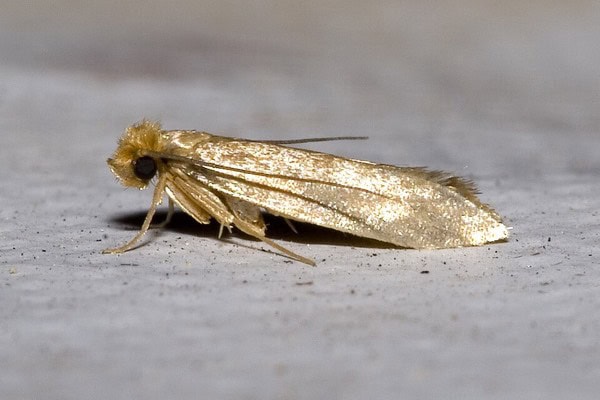
- Small holes in wool, silk or fur clothing and blankets.
- Small pale moths in the wardrobe that run or flutter instead of flying to the light.
- Silky webbing or small cases on the fabric.
Try this first
- Wash on hot or dry clean everything in the wardrobe.
- Seal items you cannot wash in a bag and leave them in the freezer for a week.
- Vacuum the wardrobe floor, shelves and corners.
- Store clean woollens in sealed bags or containers.
Call us when
- The holes keep appearing after a full clean-out.
- The moths are in the carpet as well as the clothes.
Pantry moths & weevils
Which one is it?
What you will see
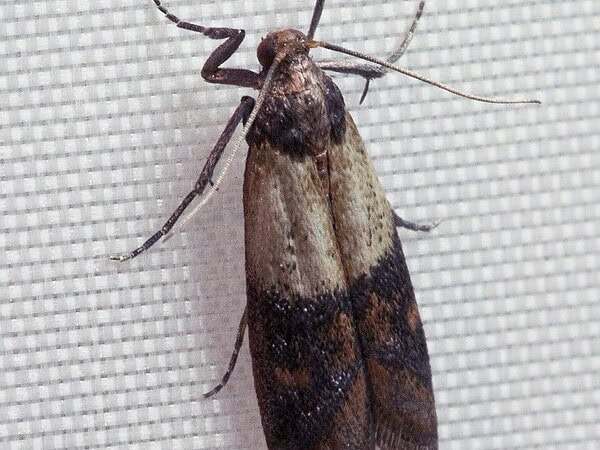
- Small moths flying around the kitchen, mostly at night.
- Webbing and small cream caterpillars in flour, cereal, nuts, dried fruit, bird seed or pet food.
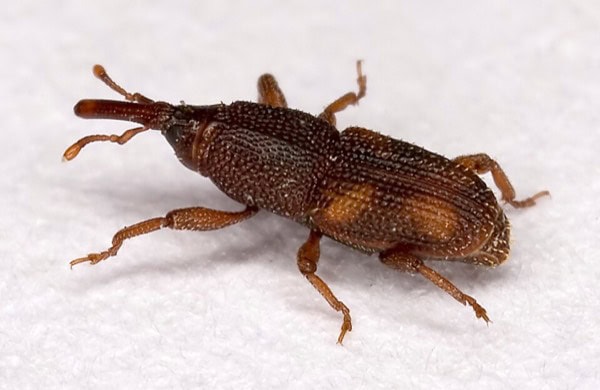
- Small dark beetles in rice, pasta and grain.
Try this first
- Find the food they are coming from and put it in the outside bin.
- Check every packet, including unopened ones.
- Wipe the shelves and vacuum the cracks, corners and shelf-peg holes.
- Store dry food in airtight glass or hard plastic containers.
- Pantry moth traps from the supermarket catch the adult moths and show whether they are still around.
Call us when
- You are still seeing moths a month after a full clean-out.
- It is a food business.
Rats & mice
Which one is it?
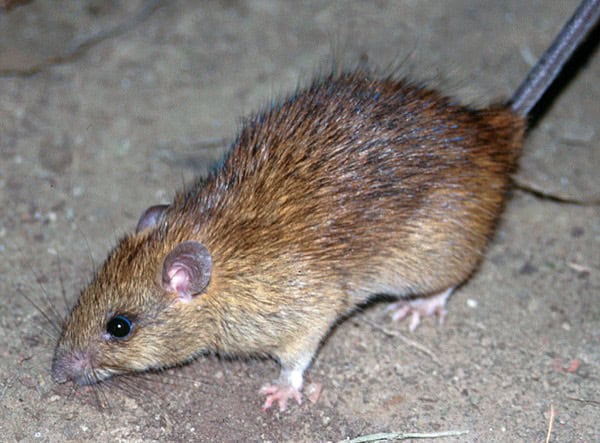
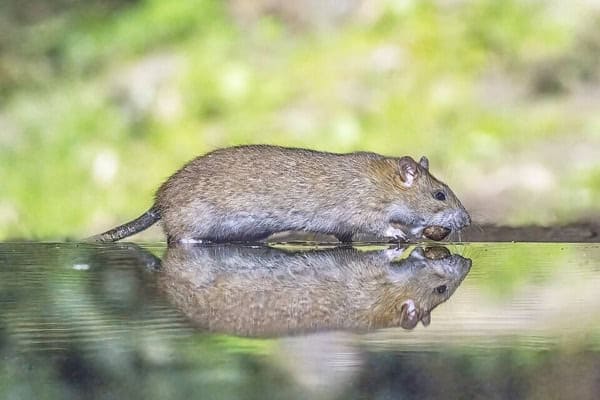
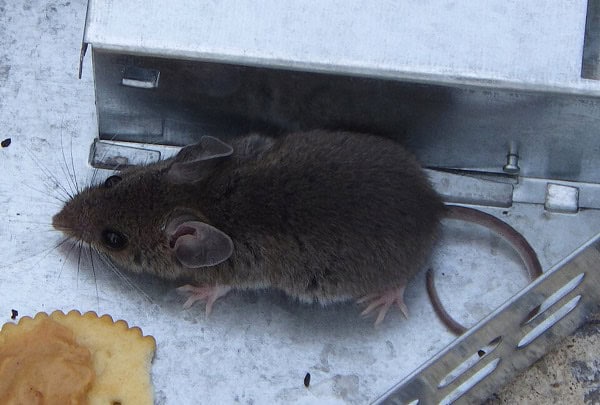
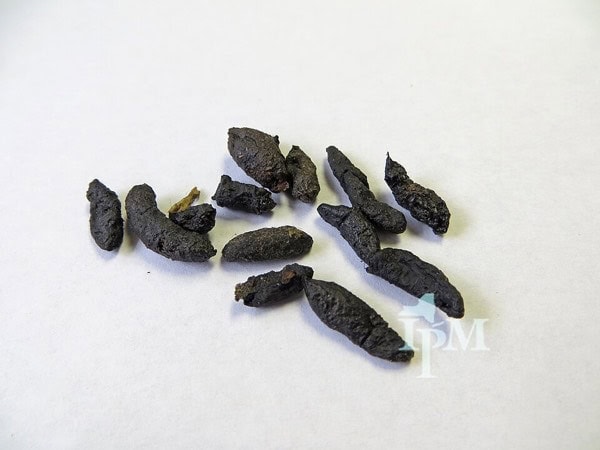
What you will see
- Scratching or running noises in the roof or walls, mostly at night.
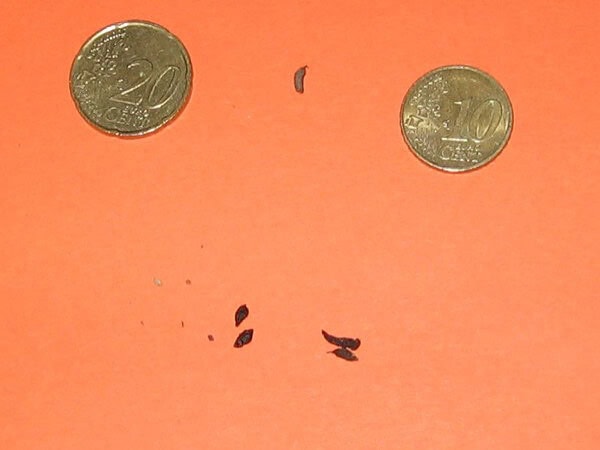
- Droppings: mouse droppings are about the size of a grain of rice, rat droppings are much bigger.
- Chewed food packets, fruit, wiring or timber, and greasy rub marks along walls.
Try this first
- Set snap traps against the wall where you have seen droppings. Peanut butter works well as bait.
- Store food, pet food and bird seed in sealed containers.
- Block gaps under doors and around pipes. A mouse can fit through a gap the width of a pencil.
- Cut back branches that touch the roof and tidy up compost and wood piles.
- If you use rat bait, put it in a locked bait station, keep it away from children and pets, and follow the label.
Call us when
- You can hear them in the roof or walls and cannot get to them.
- You are still catching them after two weeks.
- They have chewed wiring or pipes. That is a fire and flood risk.
- It is a shop, food business, school or rental.
Possums
Which one is it?
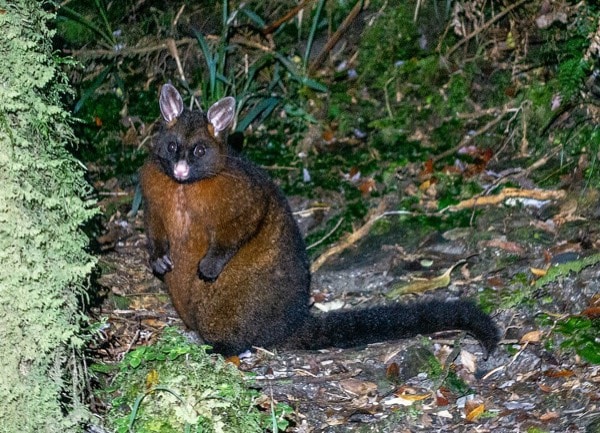
What you will see
- Heavy thumping in the roof at night. A possum is much louder than a rat.
- Hissing, screeching or coughing noises after dark.
- Large droppings, about 2 cm long.
- Chewed fruit, roses and new growth in the garden.
Try this first
- Cut back branches so nothing is within 2 metres of the roof.
- Find where it is getting in. Do not block the hole until you are sure the possum is out.
- Fit a metal band around the trunks of fruit trees.
- If you set a live-capture trap, the law says it must be checked every day.
Call us when
- A possum is living in the roof.
- You cannot find how it is getting in.
Birds
Which one is it?
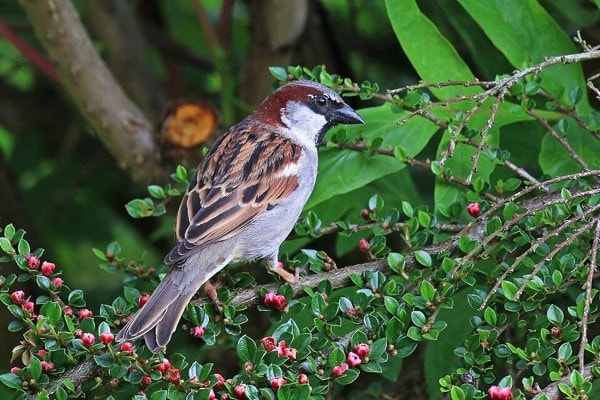
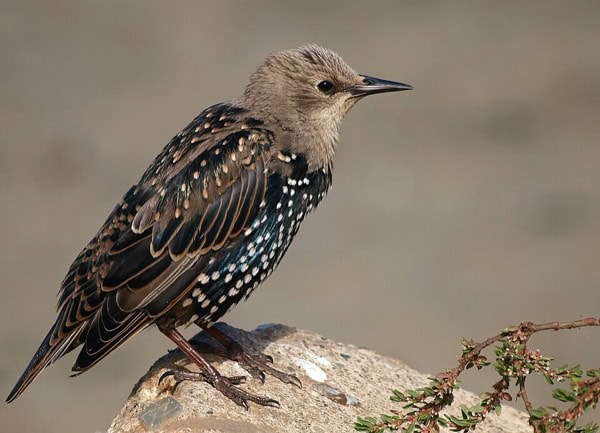

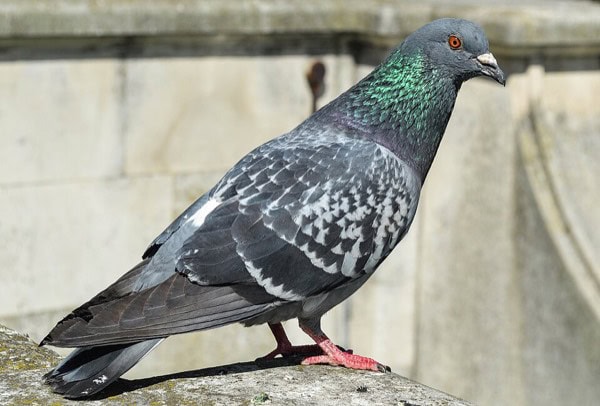
What you will see
- Nesting material in gutters, under roof tiles or in the eaves.
- Noise in the roof early in the morning.
- Droppings on paths, cars and outdoor furniture.
- Bird mites inside the house.
Try this first
- If you can, wait until the chicks have left. Then remove the nest, wearing gloves and a mask.
- Block the gap with wire mesh so they cannot come back.
- Clean the gutters and think about gutter guard.
- Do not feed them.
Call us when
- The birds keep coming back.
- They are nesting in the roof space.
- You are getting bird mites inside.
- It is a shop, warehouse or other commercial building.
Rabbits
Which one is it?
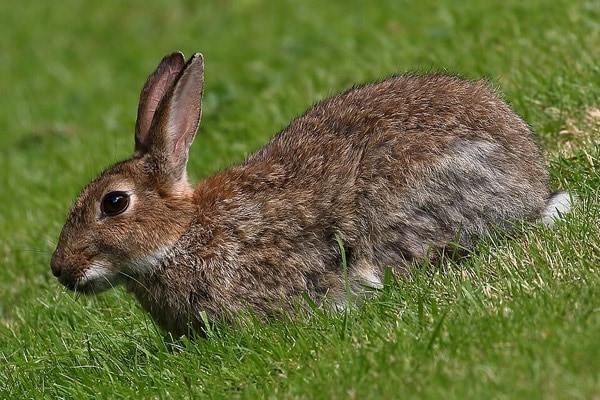
What you will see
- Scrapes, diggings and burrows in lawns and banks.
- Piles of small round droppings.
- Chewed vegetables, flowers and young trees.
Try this first
- Fence the garden with rabbit netting. Bury the bottom 15 to 20 cm and turn it outwards.
- Put guards around young trees.
- Clear gorse, long grass and wood piles they shelter in.
Call us when
- You have a lifestyle block and the numbers are getting away on you.
Stoats & ferrets
Which one is it?
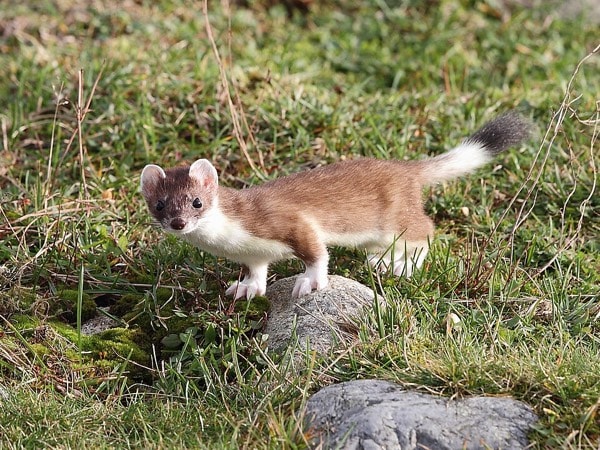
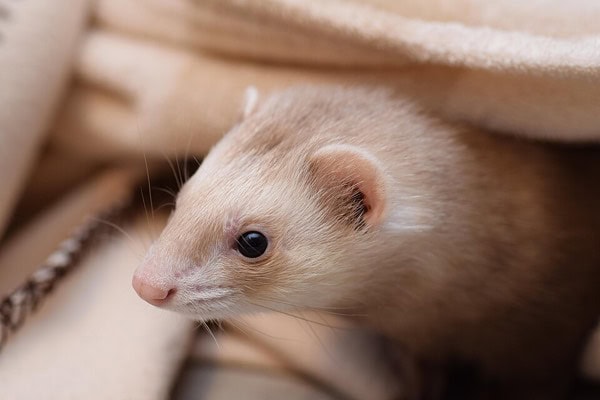
What you will see
- Chickens killed or eggs taken.
- A long, thin, fast animal seen around sheds and hen houses.
- Hedgehogs also take eggs and native wildlife.
Try this first
- Make the hen house secure. Use mesh with holes no bigger than 2 cm and check for gaps.
- Shut the hens in at night.
- Ask your local predator-free group about approved traps.
Call us when
- You are losing poultry and want to talk through trapping.
Not sure what it is?
Send us a photo
- Take a clear, close photo of the pest, the droppings or the damage.
- Email it to breatheeasyservices@icloud.com with your suburb, or call and describe what you are seeing.
- We will tell you what it is, whether you can deal with it yourself, and whether it is something we can help with. No charge for the advice.
This is general advice for Bay of Plenty homes. Always read and follow the label on any product you buy, and keep baits and sprays away from children, pets and fish tanks.